- Date
- September 13, 2020, 14:32 local (19:32 UTC)
- Place
- Cottage Grove, MN
- Injuries
- 3 fatal
- Damage
- Destroyed
- Phase of flight
- Unknown
- Aircraft
- N8488LCessna 172
- Defining event
- Unknown: Unknown or undetermined
- Weather
- Visual (VMC) · Day
- Status
- Completed
- Report
- Approved by Office Director
- Investigation class
- Class 3
- NTSB office
- Central Region
- Parties
- FAA FSDO, Textron, Lycoming Engines
- FAA report
- 20200913015029A
- Case key
- 101964
From the NTSB’s public API. By law, NTSB reports can’t be used as evidence in lawsuits over the accident.
On this page
Probable cause
A steep descent and impact with terrain for reasons that could not be determined based on the available information.
Findings · 2
NTSB’s coded findings. Those marked are part of the probable cause; the rest are factors or other findings. Under each, the cases with the same finding.
Sequence of events
The events NTSB coded, in order, by phase of flight. The defining event is the one that best describes the accident. Under each, the cases with the same event anywhere in their sequence.
Analysis
The accident flight was a “discovery flight” arranged by the rear seat passenger for his girlfriend, the front seat passenger. A flight instructor was seated in the right front seat. Flight track information revealed that, about four minutes after departure at an altitude of about 1,900 ft, the airplane entered a steep descent that continued until water contact. The airplane was destroyed when it impacted the water. Examination of the airplane revealed no evidence of mechanical anomalies that would have precluded normal operation, and no evidence of a bird strike. Visual meteorological conditions were present in the area at the time of the accident. Available medical information provided no evidence that the CFI had any medical condition, substance use, or toxic exposure that contributed to the accident. Based on the absence of detected ethanol in the CFI’s urine, it is likely that ethanol detected in his cavity blood was from sources other than ingestion. Given the available information, the reason for the airplane’s impact with terrain could not be determined.
Factual narrative
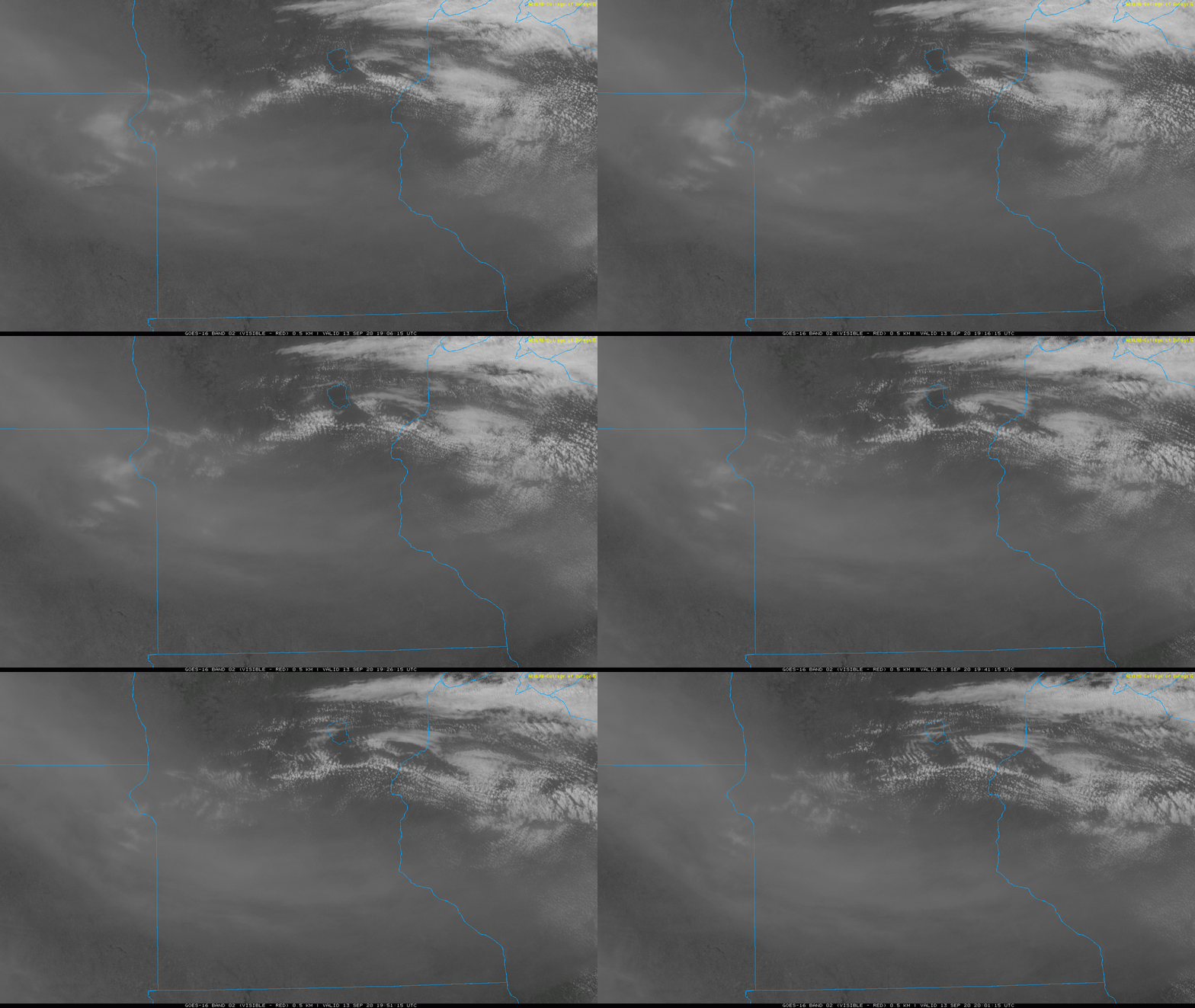
On September 13, 2020, at 1432 central daylight time, a Cessna 172, N8488L, was destroyed when it was involved in an accident near Cottage Grove, Minnesota. The flight instructor and two passengers were fatally injured. The airplane was operated as a Title 14 Code of Federal Regulations (CFR) Part 91 personal flight. According to the operator, the accident flight was a “discovery flight” arranged by the passenger for his girlfriend. Discovery flights typically included 1/2 hour of ground training and a preflight inspection of the airplane, followed by the flight, during which the front-seat passenger operated the controls to the extent possible. The male passenger was seated in the right rear seat, the female passenger was seated in the left front seat, and the flight instructor was seated in the right front seat. According to Automatic Dependent Surveillance-Broadcast (ADS-B) data, the airplane departed about 1428 and proceeded southbound until it crossed the Mississippi River, then it turned to a southeast heading. The last return from the airplane was at 1432, over Lower Grey Cloud Island at an altitude of about 1,900 ft and speed of 101 mph. The flight profile view revealed a sharp descent followed by a sharp ascent as the airplane approached Lower Grey Cloud Island; the airplane subsequently entered a steep descent that continued until impact. An aircraft performance study based on the ADS-B information indicated that the airplane lost over 1,000 ft of altitude in seven seconds: a descent rate of over 8,000 ft per minute, before impact. The pilot of another airplane, inbound to the departure airport, had a Go-Pro video camera operating in the cockpit and captured the accident airplane as it descended. Although eagles or geese were seen in the area, there was no evidence to indicate that the accident airplane collided with any of these birds. The Ramsey County Medical Examiner performed the CFI’s autopsy; cause of death was multiple traumatic injuries, aircraft accident, and his manner of death was accident. The Federal Aviation Administration Forensic Sciences Laboratory identified ethanol at 0.051 g/dL in cavity blood and did not detect ethanol in urine. The wreckage was located in 70-foot-deep water and was examined at a secure facility following recovery. All control cables failed at or near their cockpit connections and the failures were consistent with overload. The cables were traced from the cabin area to their respective flight control surfaces. Both wings displayed accordion-type compression damage aft to the main spar, consistent with high-speed impact. The left horizontal stabilizer had more impact damage than the right horizontal stabilizer. The vertical stabilizer, although straight, was impact damaged, but the anticollision light on top of the tail was intact, consistent with the airplane being upright upon impact. The damaged propeller blades were bent aft into the engine compartment. The examination of the engine revealed noanomalies that would have precluded normal engine operation.
Aircraft
- Registration
- N8488L
- Reported as
- Cessna 172 (I)
- Category
- Airplane
- Serial number
- 17256688
- Built
- 1968
- Airframe hours
- 3,343
- Engine
- Lycoming O-320-E2D, 160 horsepower, reciprocating
- Damage
- Destroyed
- Flight
- Personal · Part 91
- Operator
- Harrier Aviation
- Registered owner
- Randy Schoephoerster
- Airworthiness certificate
- Standard, Normal
- Last inspection
- Annual · July 17, 2020
- Departed
- SGS · South St, Paul, MN
- Destination
- SGS · South St, Paul, MN
- Airport
- SGS · So. St. Paul Municipal
- Equipment
- Stall warning system
Matched to the registry by N-number and the event date; the registry’s history has gaps, so older matches can be wrong. Compare the reported make and model.
Flight crew
As NTSB recorded them. NTSB leaves out names.
- Role
- Pilot
- Age
- 23
- Injuries
- Fatal
- Certificates
- Flight instructor, Commercial
- Airplane ratings
- Single-engine land, Multi-engine land
- Instrument ratings
- Airplane
- Medical
- Class 1, Without waivers/limitations
- Seat
- Right
- Toxicology
- Performed
- Flight hours
- 300 total · 300 in this make and model · 47 in the last 90 days
Weather
- Conditions
- Visual (VMC) · Day
- Wind
- 190° at 3 knots
- Visibility
- 10 statute miles
- Lowest ceiling
- None
- Temperature
- 70 °F, dew point 57 °F
- Altimeter
- 30.10 inHg
- Observed at
- SGS, 6 nm away
Docket · 14
The files NTSB released with the investigation on April 27, 2022, on NTSB’s docket system: statements, records, photos and specialists’ reports. 1.7 GB in all.
FAA reports on this event · 1
The FAA’s own accident and incident reports, matched to the aircraft by N-number and date.