- Date
- April 17, 2018, 11:03 local (15:03 UTC)
- Place
- Philadelphia, PA
- Injuries
- 1 fatal, 8 serious, 125 minor, 6 uninjured
- Damage
- Substantial damage
- Phase of flight
- Enroute
- Aircraft
- N772SWBoeing 737 7H4
- Defining event
- Enroute-climb to cruise: Powerplant sys/comp malf/fail
- Weather
- Visual (VMC) · Day
- Status
- Completed · report March 10, 2020
- Report
- Board-adopted at Board Meeting
- Investigation class
- Class 1
- NTSB office
- Major Investigations Division
- Safety recommendations
- Yes
- FAA report
- 20180417024829A
- Case key
- 97056
From the NTSB’s public API. By law, NTSB reports can’t be used as evidence in lawsuits over the accident.
On this page
Probable cause
A low-cycle fatigue crack in the dovetail of fan blade No. 13, which resulted in the fan blade separating in flight and impacting the engine fan case at a location that was critical to the structural integrity and performance of the fan cowl structure. This impact led to the in-flight separation of fan cowl components, including the inboard fan cowl aft latch keeper, which struck the fuselage near a cabin window and caused the window to depart from the airplane, the cabin to rapidly depressurize, and the passenger fatality.
Findings · 5
NTSB’s coded findings. Those marked are part of the probable cause; the rest are factors or other findings. Under each, the cases with the same finding.
Sequence of events
The events NTSB coded, in order, by phase of flight. The defining event is the one that best describes the accident. Under each, the cases with the same event anywhere in their sequence.
Analysis
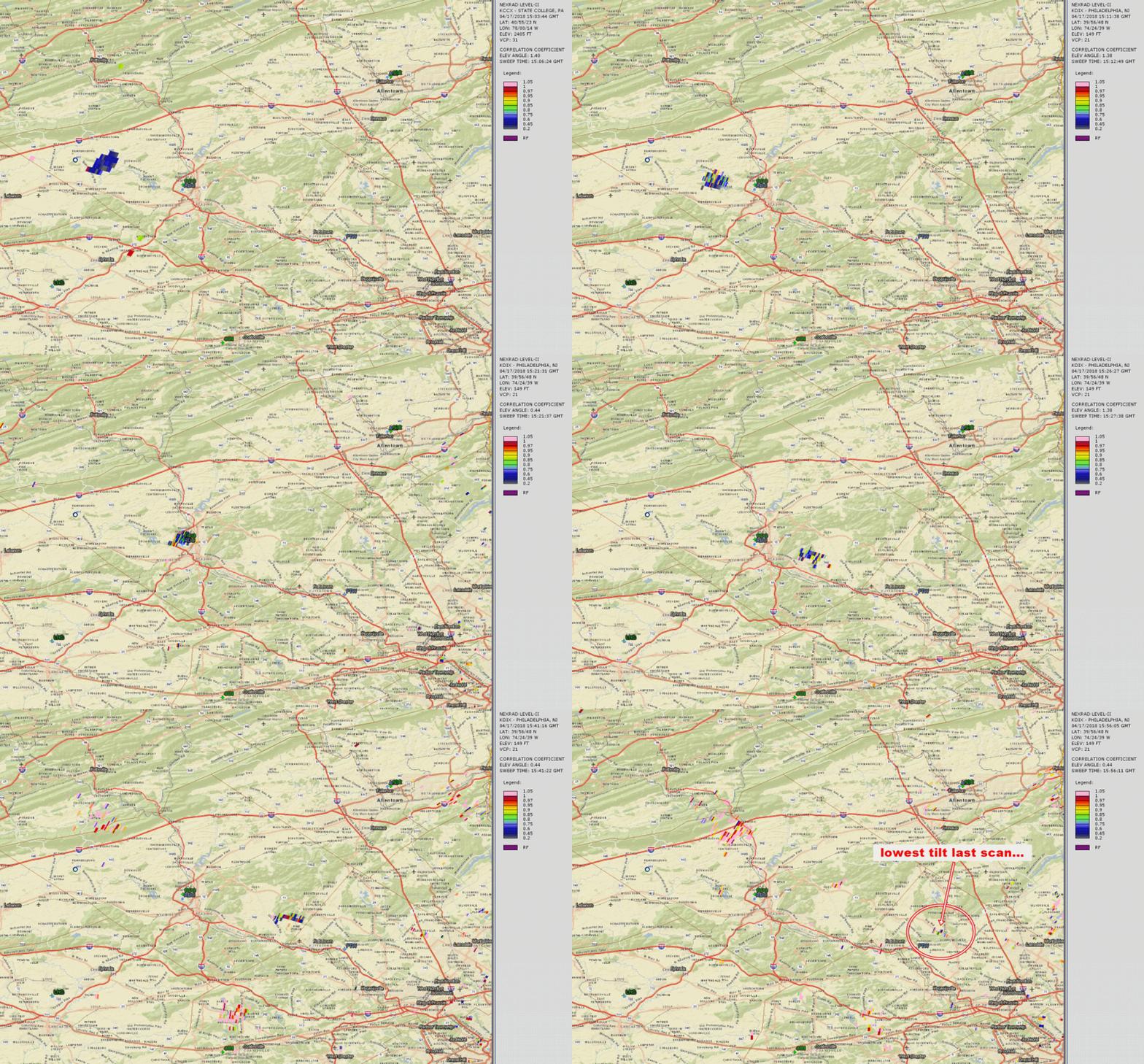
The NTSB's full report is available at http://www.ntsb.gov/investigations/AccidentReports/Pages/AccidentReports.aspx. The Aircraft Accident Report number is NTSB/AAR-19/03. On April 17, 2018, about 1103 eastern daylight time, Southwest Airlines flight 1380, a Boeing 737-7H4, N772SW, experienced a left engine failure while climbing through flight level 320 en route to the flight's assigned cruise altitude. The flight had departed from LaGuardia Airport, Queens, New York, about 30 minutes earlier. As a result of the engine failure, the flight crew conducted an emergency descent and diverted to Philadelphia International Airport (PHL), Philadelphia, Pennsylvania. Portions of the left engine inlet and fan cowl separated from the airplane, and fragments from the inlet and fan cowl struck the left wing, the left-side fuselage, and the left horizontal stabilizer. One fan cowl fragment impacted the left-side fuselage near a cabin window, and the window departed the airplane, which resulted in a rapid depressurization. The airplane landed safely at PHL about 17 minutes after the engine failure occurred. Of the 144 passengers and 5 crewmembers aboard the airplane, 1 passenger received fatal injuries, and 8 passengers received minor injuries. The airplane was substantially damaged. The regularly scheduled domestic passenger flight was operating under the provisions of Title 14 Code of Federal Regulations Part 121 with a destination of Dallas Love Field, Dallas, Texas. The National Transportation Safety Board determines the probable cause(s) of this accident as follows: A low-cycle fatigue crack in the dovetail of fan blade No. 13, which resulted in the fan blade separating in flight and impacting the engine fan case at a location that was critical to the structural integrity and performance of the fan cowl structure. This impact led to the in-flight separation of fan cowl components, including the inboard fan cowl aft latch keeper, which struck the fuselage near a cabin window and caused the window to depart from the airplane, the cabin to rapidly depressurize, and the passenger fatality.
Factual narrative
The NTSB's full report is available at http://www.ntsb.gov/investigations/AccidentReports/Pages/AccidentReports.aspx. The Aircraft Accident Report number is NTSB/AAR-19/03. On April 17, 2018, about 1103 eastern daylight time, Southwest Airlines flight 1380, a Boeing 737-7H4, N772SW, experienced a left engine failure while climbing through flight level 320 en route to the flight's assigned cruise altitude. The flight had departed from LaGuardia Airport, Queens, New York, about 30 minutes earlier. As a result of the engine failure, the flight crew conducted an emergency descent and diverted to Philadelphia International Airport (PHL), Philadelphia, Pennsylvania. Portions of the left engine inlet and fan cowl separated from the airplane, and fragments from the inlet and fan cowl struck the left wing, the left-side fuselage, and the left horizontal stabilizer. One fan cowl fragment impacted the left-side fuselage near a cabin window, and the window departed the airplane, which resulted in a rapid depressurization. The airplane landed safely at PHL about 17 minutes after the engine failure occurred. Of the 144 passengers and 5 crewmembers aboard the airplane, 1 passenger received fatal injuries, and 8 passengers received minor injuries. The airplane was substantially damaged. The regularly scheduled domestic passenger flight was operating under the provisions of Title 14 Code of Federal Regulations Part 121 with a destination of Dallas Love Field, Dallas, Texas.
Aircraft
- Registration
- N772SW
- Reported as
- Boeing 737 7H4 (7H4)
- Category
- Airplane
- Serial number
- 27880
- Built
- 2000
- Engines
- CFM Intl. CFM56 SERIES, turbo fanCFM Intl. CFM56 SERIES, turbo fan
- Damage
- Substantial damage
- Flight
- Part 121
- Operator
- Southwest Airlines Co
- Registered owner
- Southwest Airlines Co
- Airworthiness certificate
- Standard, Transport
- Departed
- LGA · New York, NY
- Destination
- DAL · Dallas, TX
- Flight plan
- IFR
- Airport
- KPHL · Philadelphia, runway 27L, 12,000 × 200 ft
Matched to the registry by N-number and the event date; the registry’s history has gaps, so older matches can be wrong. Compare the reported make and model.
Weather
- Conditions
- Visual (VMC) · Day
Docket · 53
The files NTSB released with the investigation on November 14, 2018, on NTSB’s docket system: statements, records, photos and specialists’ reports. 197 MB in all.
FAA reports on this event · 1
The FAA’s own accident and incident reports, matched to the aircraft by N-number and date.