- Date
- September 12, 2017, 13:37 local (19:37 UTC)
- Place
- Ogden, UT
- Injuries
- 2 minor; on the ground: 1 minor
- Damage
- Substantial damage
- Phase of flight
- Initial climb
- Aircraft
- N9798LBeech A24R
- Defining event
- Initial climb: Windshear or thunderstorm
- Weather
- Visual (VMC) · Day
- Status
- Completed · report November 6, 2019
- Report
- Approved by Office Director
- NTSB office
- Western Pacific Region
- Parties
- Federal Aviation Administration
- FAA report
- 20170912015999A
- Case key
- 95999
From the NTSB’s public API. By law, NTSB reports can’t be used as evidence in lawsuits over the accident.
On this page
Probable cause
The airplane's inability to maintain an initial takeoff climb for reasons that could not be determined based on available information.
Findings · 4
NTSB’s coded findings. Those marked are part of the probable cause; the rest are factors or other findings. Under each, the cases with the same finding.
Sequence of events
The events NTSB coded, in order, by phase of flight. The defining event is the one that best describes the accident. Under each, the cases with the same event anywhere in their sequence.
Analysis
The airline transport pilot reported that general maintenance had recently been completed on the airplane, and this was the pilot's first flight in the airplane and the first flight since the maintenance. The pilot completed two engine run-ups before taking off to practice touch-and-go landings. During the takeoff sequence, all instruments indicated normal. The airplane climbed to about 200 ft but then stopped climbing. The pilot reported that the engine did not sound obviously rough; however, the altitude was not increasing, and airspeed was decreasing. He enriched the mixture with no improvement. He turned on the fuel boost pump and received a little extra power for about half a second. He then tested the magnetos, which both indicated normal. He attempted to maintain altitude; however, his airspeed was steadily decreasing, so he chose to land on a nearby road, during which the airplane impacted a car and then the ground before it was consumed by fire. The weather observation just before the accident indicated the wind was variable at 3 knots, with the visibility at or greater than 10 miles and clear skies. The weather observation just after the accident indicated the wind was at 14 knots gusting to 19 knots, with visibility at or greater than 10 miles and clear skies. A gust front was moving northeastward toward the accident site about the time of the accident. The leading edge of the outflow or gust front moved past the accident site right around the time of the accident. Witnesses reported that shortly after takeoff, the engine sounded "weird" and was "sputtering" or "puttering." The postaccident airframe and engine examination revealed no evidence of mechanical malfunctions or failures that would have precluded normal operation. Thus, it is likely that the erratic and strong wind conditions reduced the airplane's ability to maintain the initial takeoff climb.
Factual narrative
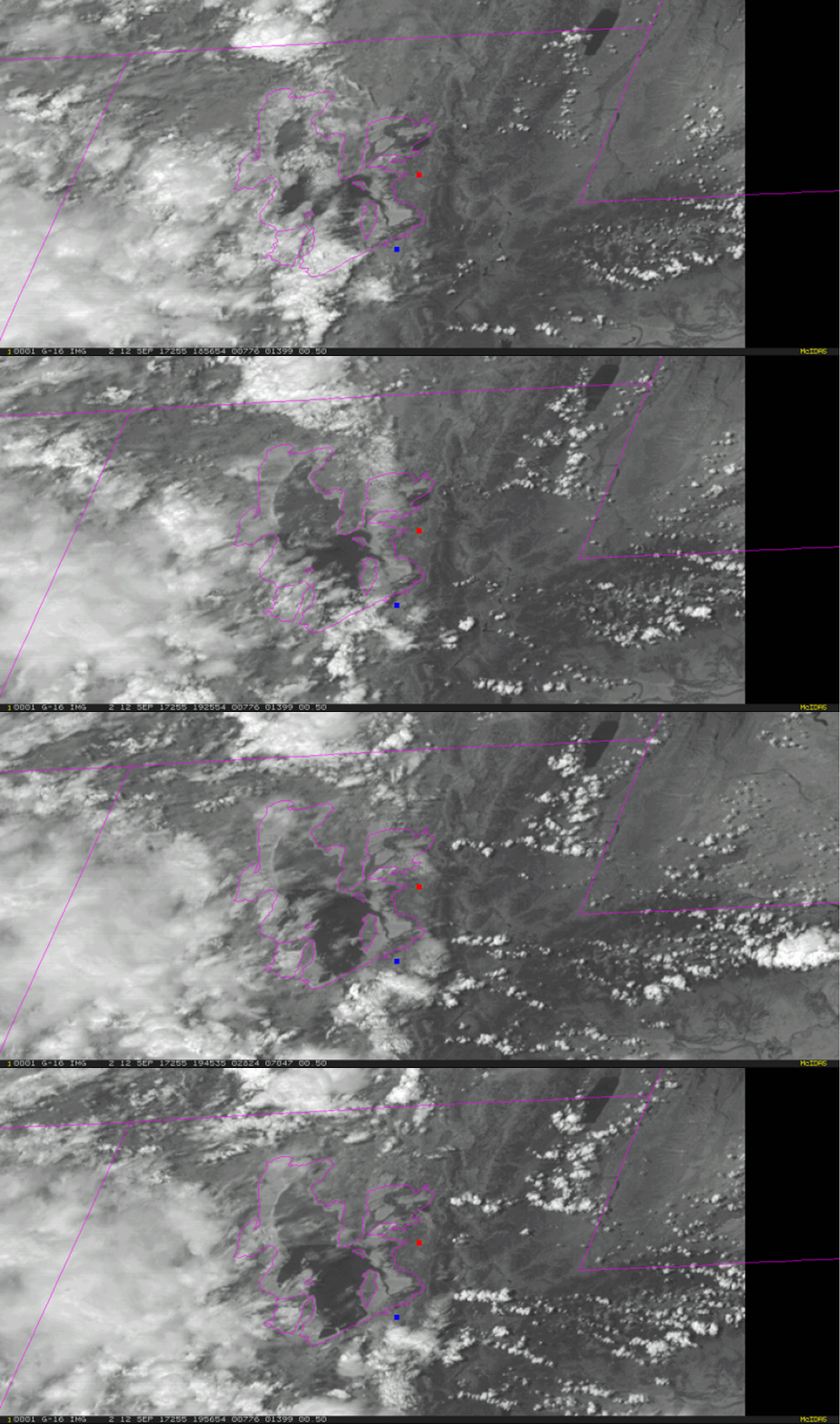
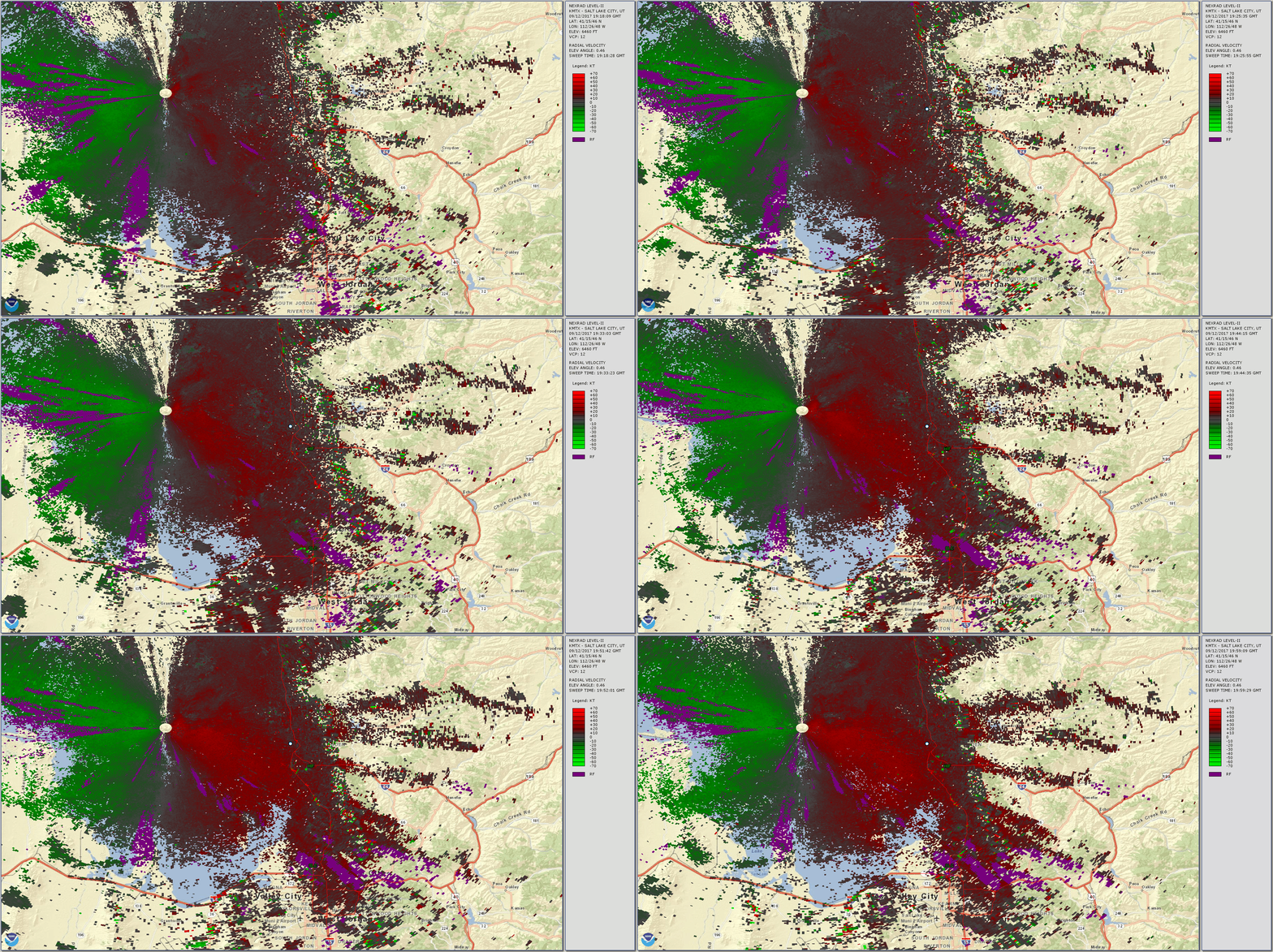
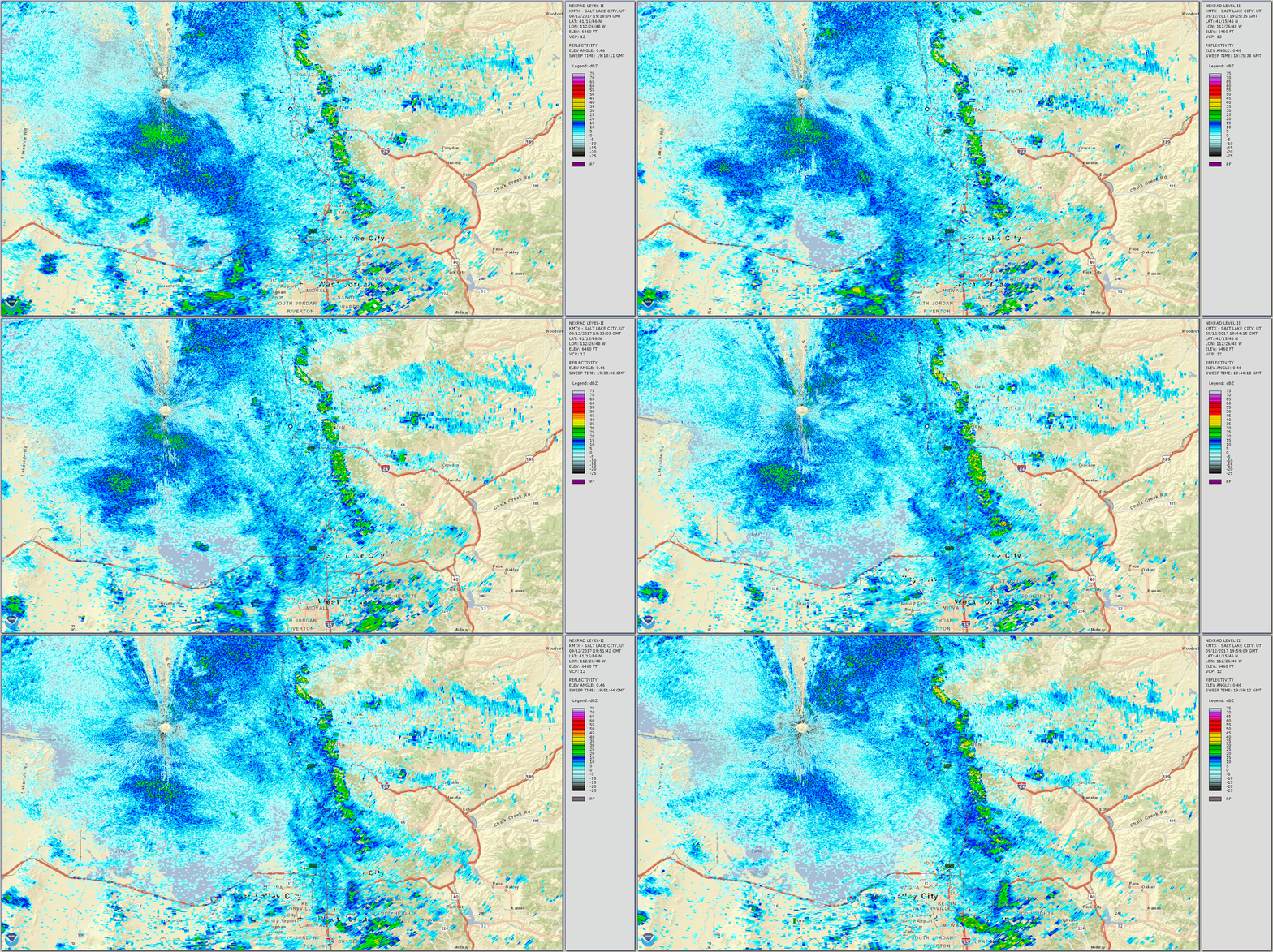
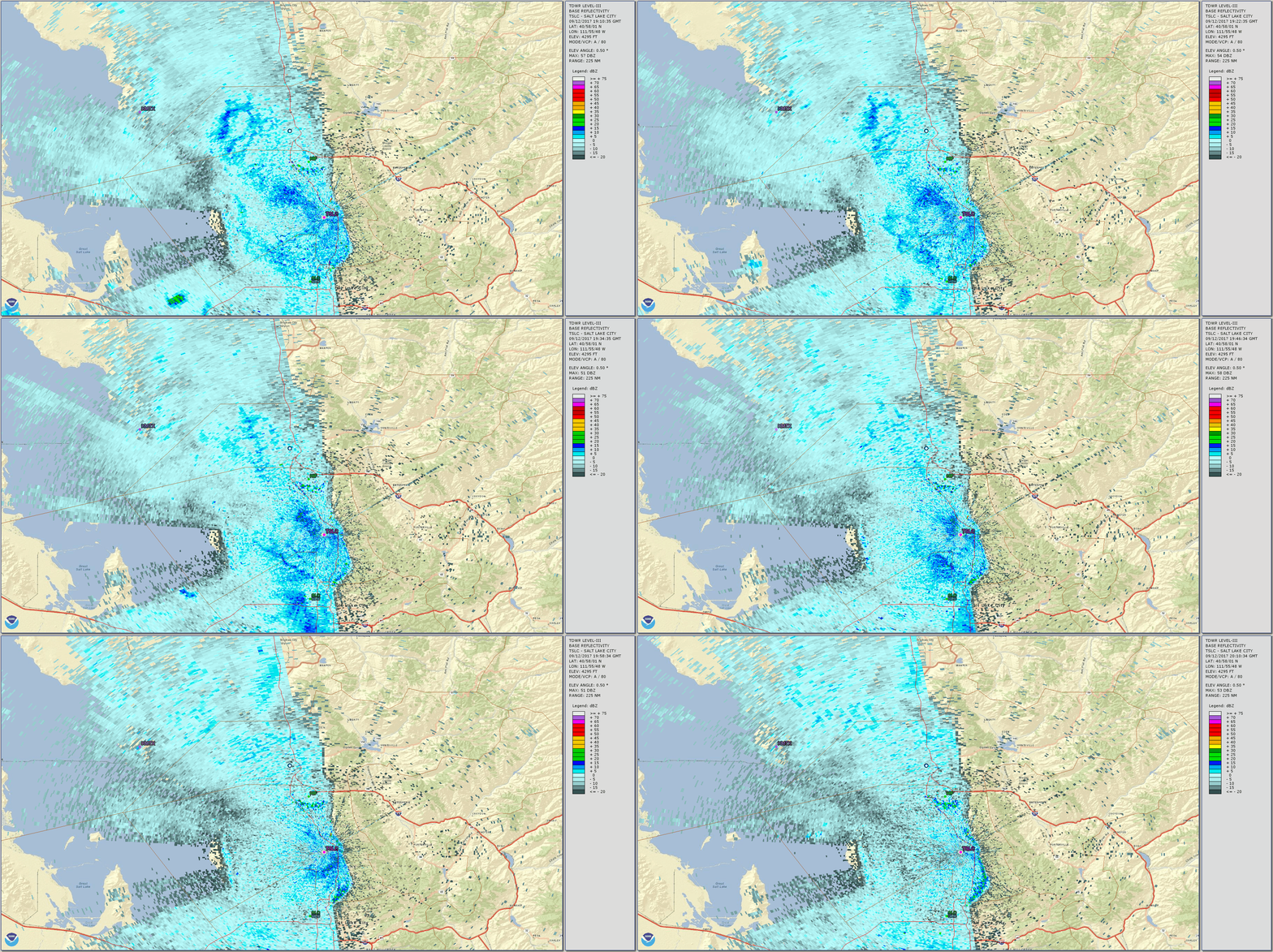
An airframe and engine examination was conducted by a Federal Aviation Administration (FAA) Inspector the day after the accident. The throttle and mixture control cables were manipulated within the cockpit; the mixture moved accordingly, but the throttle was seized. Further examination revealed the throttle arm on the throttle body was damaged and unable to be moved; when disconnected, the throttle plate moved accordingly. The rocker covers were removed from the engine and there was no evidence of thermal discoloration or a stuck valve. The spark plugs were removed and were consistent with "NORMAL" when compared to the Champion Check-a-plug chart. The upper spark plugs from cylinder #2, and #4 showed evidence of corrosion on the threads, but that did not extend to the electrodes. The engine was rotated by hand, thumb compression was obtained in each cylinder, gear and valve train continuity was established, and the magneto's impulse coupling was heard. The pilot reported that on August 27, 2017, he arrived at the airport to do a pre-buy inspection of the airplane. During this time, he learned that the airplane had sat for a long period of time. During an engine run-up, a loose engine injector and a worn fuel line was noticed. The pilot then contacted a local mechanic to do an inspection for airworthiness. General maintenance was completed just prior to the accident flight. According to the pilot, the engine was cleaned, a compression check was completed, the fuel injector lines were either tightened or replaced, a fuel line was replaced, the hydraulic system was serviced, and the battery was serviced. On September 12, 2017, about 1337 mountain daylight time, a Beechcraft A24R airplane, N9798L, collided with a vehicle shortly after takeoff from the Ogden-Hinckley Airport (OGD), Ogden, Utah and landed onto a roadway about one mile southwest of the airport. The airline transport pilot sustained minor injuries and the person in the vehicle sustained minor injuries. The airplane was registered to and operated by the pilot as a Title 14 Code of Federal Regulations Part 91, personal flight. Visual meteorological conditions prevailed at the time of the accident, and no flight plan was filed for the local flight. The pilot reported that this was the first flight after recent general maintenance and his first flight in this airplane. After two engine run-ups on the ground, the pilot took off to practice touch-and-go landings. During the takeoff sequence, all instruments indicated normal. The airplane climbed to about 200 ft, but then stopped climbing. The pilot reported that the engine did not sound obviously rough and it was maintaining full power, however, his altitude was not increasing, and airspeed was decreasing. He enriched the mixture and there was no improvement; he turned on the fuel boost pump and received a little extra power for about half a second. He then tested the magnetos, and both indicated normal. He attempted to maintain altitude,however, his airspeed was steadily decreasing, therefore, he elected to land onto a nearby road. During the landing sequence the airplane impacted a car, then the ground, before it slid to a rest and was consumed by fire. Witnesses reported that shortly after the airplane took off from the airport, the engine was described as sounding "weird", "sputtering", or "puttering." The airplane appeared as if it stopped climbing before it started to descend to a nearby road. At 1253, the METAR weather observation at OGD indicated wind variable at 3 knots, 10 miles visibility or greater, clear skies below 12,000 ft agl, temperature 30o C, dew point 8o C, and altimeter setting of 30.11 inches of mercury At 1353, the observation at OGD indicated wind from 250o at 14 knots with gusts to 19 knots, 10 miles visibility or greater, clear skies below 12,000 ft agl, temperature of 31o C, dew point 9o C, and an altimeter setting of 30.12 inches of mercury. A weather study was completed by a National Transportation Safety Board Meteorologist. Surface analysis charts depicted a surface trough located just west of the accident site stretching from central Utah northwestward into southern Idaho and eastern Oregon. The National Weather Service (NWS) issued an Area Forecast Discussion, which mentioned that there was a 20% chance of gusty and erratic thunderstorm outflow winds to impact the area. In addition, the NWS issued an Airport Weather Warning for the Salt Lake City International Airport valid from 1330 to 1440 and warned of a west wind of 20-25 mph with gusts to 30-35 mph. The Integrated Terminal Weather System data indicated a gust front in between OGD and Salt Lake City, Utah, located 25 miles south of the accident site, at 1335 moving northeastward towards OGD and the accident site. The base velocity data, indicated the leading edge of the outflow or gust front moved passed the accident site right around the time of the accident. Gust front conditions were indicated on the display until 1350. Visible Satellite Imagery indicated no cloud cover over the accident site at the accident time, however, a cloud boundary was apparent moving past the accident site between 1325 and 1345 with additional cumulous cloud development east of the accident site across the mountainous terrain by 1357. The additional cloud cover across the mountainous terrain east of the accident site formed as the outflow boundary/gust front moved eastward into the mountainous terrain inducing additional vertical motion. The FAA's Advisory Circular AC00-6B title "Aviation Weather" issued in August 2016 is the primary basic training guide on many weather hazards, including gust fronts and outflow. It is stated that gust front conditions are associated with rain showers and more frequently with thunderstorm activity. Gust fronts create many hazards for aviation and can cause damaging wind at the surface. The FAA Advisory Circular AC 00-24C titled "Thunderstorms" issued February 2013 is the primarybasic training guide on thunderstorm hazards used for flight training guidance. The turbulence region of a gust front is identified from the leading edge or "nose", which would be marked by a sudden wind shift and increase in wind speed along with potentially moderate to severe turbulence up to 1,000 and occasionally to 3,000 feet above ground level. A sudden wind shift and gusty winds associated with a gust front can be seen at OGD and SLC, when the gust front moved across those airports at the accident time. Multiple surges of cold dense air are typical results in individual strong gusts. Behind the "head" of the gust front, another area of turbulence is typically found near the "wake." This can cause wave formations with the density discontinuities between the warm and cold air masses resulting again in moderate to severe turbulence. Gust fronts are often observed extending up to 15 miles from the main precipitation core of the thunderstorm or rain shower.
Aircraft
- Registration
- N9798L
- Reported as
- Beech A24R
- Category
- Airplane
- Serial number
- MC-117
- Built
- 1972
- Airframe hours
- 2,300
- Engine
- Lycoming IO-360-A1B, 200 horsepower, reciprocating
- Damage
- Substantial damage
- Fire
- On-Ground
- Flight
- Personal · Part 91
- Airworthiness certificate
- Standard, Normal
- Last inspection
- Annual · May 1, 2005
- Departed
- OGD · Ogden, UT
- Destination
- OGD · Ogden, UT
- Airport
- OGD · Ogden-Hinckley Airport, runway 21, 8,103 × 150 ft, asphalt
- Equipment
- None
Matched to the registry by N-number and the event date; the registry’s history has gaps, so older matches can be wrong. Compare the reported make and model.
Flight crew
As NTSB recorded them. NTSB leaves out names.
- Role
- Pilot
- Age
- 63
- Injuries
- Minor
- Certificates
- Airline transport, Commercial
- Airplane ratings
- Multi-engine land, Single-engine land
- Instrument ratings
- Airplane
- Medical
- Class 1, With waivers/limitations
- Last flight review
- February 27, 2017
- Seat
- Left
- Restraint
- None
- Flight hours
- 22,000 total · 20 in this make and model · 10,000 as pilot in command · 70 in the last 30 days · 0 in the last 24 hours
Weather
- Conditions
- Visual (VMC) · Day
- Wind
- 250° at 14 knots, gusting 19
- Visibility
- 10 statute miles
- Lowest ceiling
- None
- Temperature
- 88 °F, dew point 48 °F
- Altimeter
- 30.12 inHg
- Observed at
- OGD, 2 nm away
Docket · 14
The files NTSB released with the investigation on March 28, 2019, on NTSB’s docket system: statements, records, photos and specialists’ reports. 109 MB in all.
FAA reports on this event · 1
The FAA’s own accident and incident reports, matched to the aircraft by N-number and date.